How to Practice Breath Meditation
Prepare the Environment
- Choose a quiet space: Minimize distractions from noise, bright lights, or interruptions.
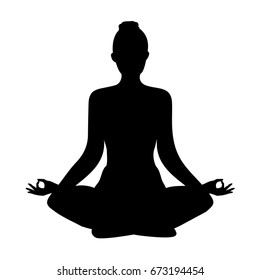
- Comfortable seating: Sit cross-legged on a cushion, or use a chair with your feet flat on the ground. Keep
your back straight but relaxed.
Adopt a Comfortable Posture
-
Rest your hands on your knees or lap.
- Keep your shoulders relaxed and head slightly tilted forward.
- Close your eyes (optional) to reduce visual distractions.
Start with Deep Breaths
- Begin by taking a few deep breaths in through the nose and out through the mouth.
- Allow your body to settle into the rhythm of your natural breathing.
Focus on Your Natural Breath
- Observe the sensation of the breath entering and exiting your nostrils.
- Notice the movement of your chest or abdomen as you breathe in and out.
- Avoid controlling the breath; let it flow naturally.
Bring Awareness to Specific Aspects
-
Inhalation: Feel the cool air entering your nose.
-
Exhalation: Sense the warm air leaving your body.
-
Breath Cycle: Observe the transition between inhalation and exhalation.
Manage Wandering Thoughts
-
It’s natural for your mind to wander. Gently acknowledge the distraction and bring your focus back to the
breath without judgment.
Benefits of Breath Meditation
Mental Benefits
- Stress Reduction: Activates the parasympathetic nervous system, calming the body and mind.
- Improved Focus: Trains the mind to concentrate, reducing distractions.
- Emotional Stability: Helps in managing anxiety, anger, and other emotions.
Physical Benefits
- Lowers Blood Pressure: Promotes relaxation and reduces hypertension.
- Improves Sleep: Helps in managing insomnia by calming the mind.
- Enhances Lung Function: Improves oxygen flow and strengthens respiratory muscles.
Spiritual Benefits
-
Mindfulness: Anchors awareness in the present moment, enhancing self-awareness.
- Inner Peace: Creates a sense of calm and balance.
-
Deeper Connection: Facilitates spiritual awakening and understanding of one’s inner self.